Bakery
Monginis, one of India’s most recognised bakery brands, was facing production delays, quality inconsistencies, and workplace safety concerns at its central manufacturing facility in Bhiwandi due to reliance on Light Diesel Oil for firing industrial baking ovens.
Pune Gas partnered with Monginis to replace diesel with a precision engineered LPG system. The transition delivered faster baking cycles, improved product quality, a safer working environment, and a payback period of approximately eight months, without any expansion in production infrastructure.
Monginis began as a small bakery in Mumbai and has grown into a franchise-driven network of over 900 outlets across India and Egypt.
The Bhiwandi manufacturing facility produces cakes, pastries, cupcakes, rusks, biscuits, and kharis, supplying over 300 outlets across Maharashtra and Gujarat. At this scale, production efficiency, consistency, and reliability are critical to business success.
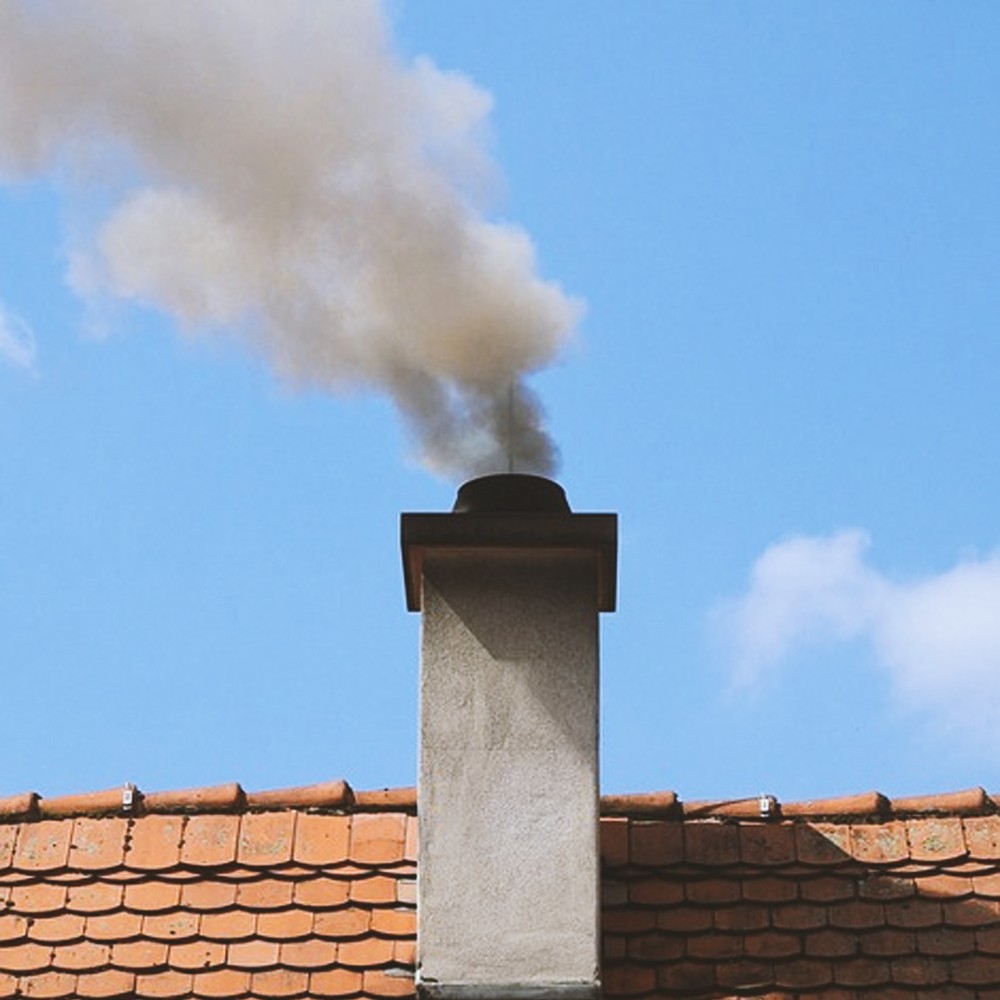
At the Bhiwandi facility, diesel-fired ovens created multiple operational and quality constraints:
The existing system limited operational efficiency and scalability.
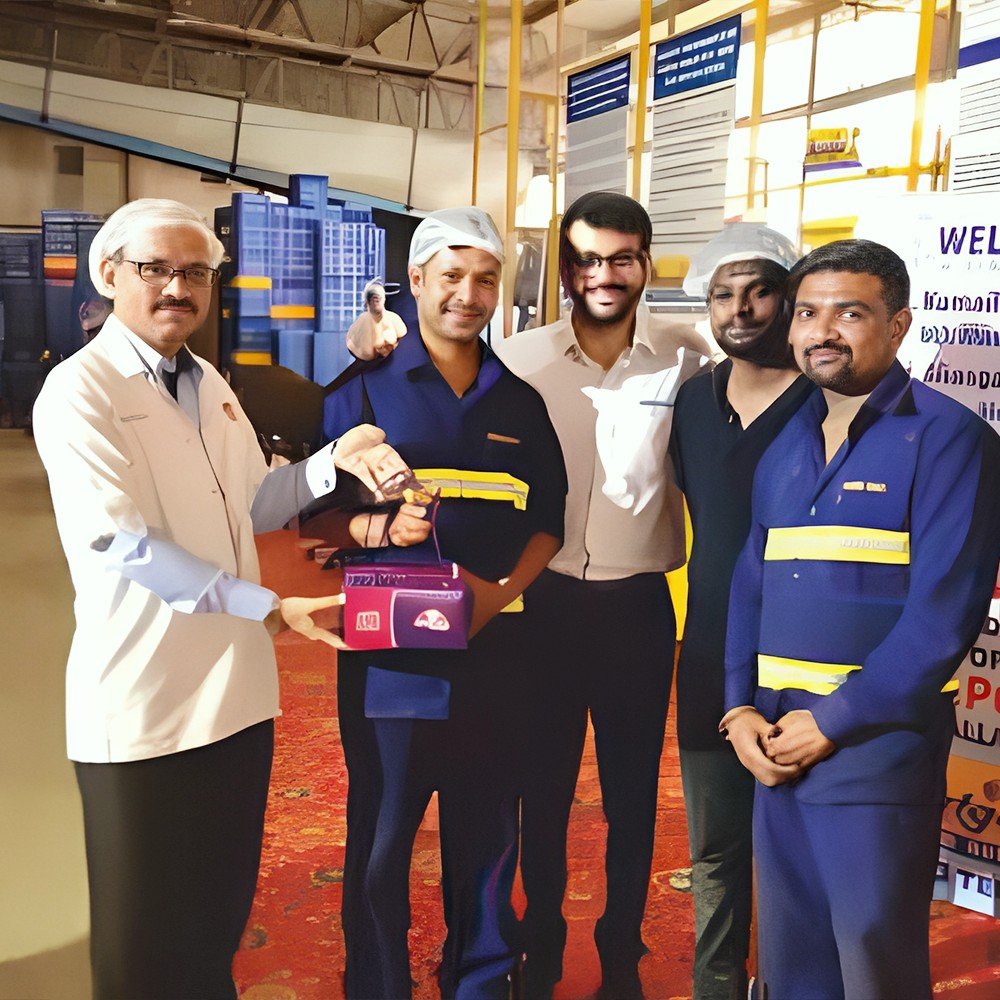
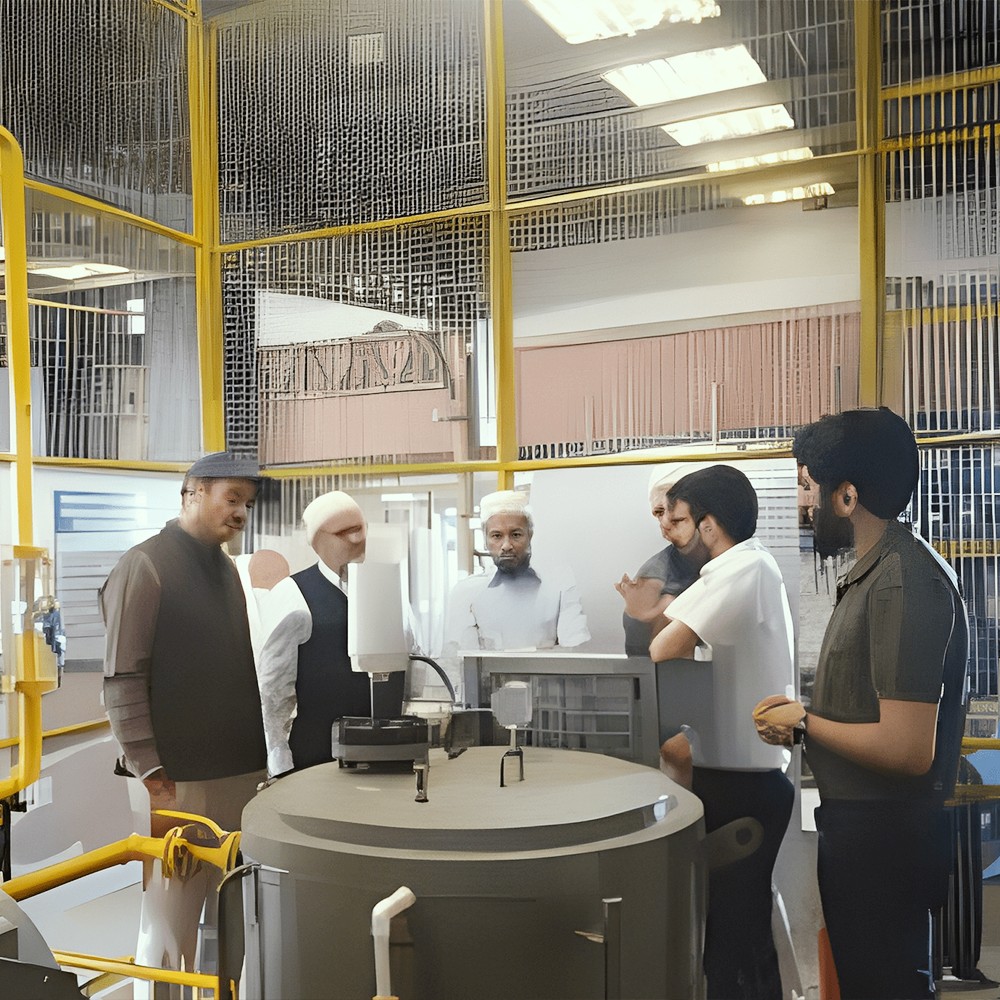
Pune Gas designed and executed a precision engineered LPG system tailored for high-load industrial baking operations.
The solution delivered:
System Configuration Highlights
Faster Production Cycles
4 minutes saved per batch | ~16 minutes per hour | 3+ hours saved per shift
Increased Output
Equivalent to one additional week of production per month without infrastructure expansion
Product Quality Improvement
Uniform baking with no carbon deposits or fuel odour
Maintenance Reduction
No soot formation, reduced servicing requirements, and elimination of cleaning downtime
Workplace Safety Enhancement
Lower emissions, cleaner air, and safer working conditions
The project was executed with precise engineering and seamless coordination, ensuring installation and commissioning without disrupting ongoing production.
By implementing a precision engineered LPG system, Monginis transformed its industrial baking operations with faster production, improved product quality, reduced maintenance, and enhanced workplace safety. The project demonstrates how fuel transition can unlock efficiency, scalability, and strong financial returns without additional infrastructure investment.
Plot 98/A/30 Hadapsar Industrial Estate, Behind Kirloskar Pneumatic Company, Hadapsar, Pune 411 013
+91-8087211172
info@punegas.com
Copyright © 2026 Pune Gas Systems Private Limited. All Rights Reserved.