Dairy & Milk Industries
Verka Dairy, one of Punjab’s leading dairy brands, sought a cleaner, more efficient fuel solution for its steam generation process following the industry’s shift away from furnace oil. Operating a 2 TPH Forbes Marshall steam boiler, the company aimed to reduce operating costs, improve boiler efficiency, and create a healthier working environment.
Pune Gas engineered and implemented a complete LPG conversion system, replacing furnace oil with LPG. The transition delivered substantial fuel cost savings, higher boiler efficiency, lower emissions, reduced maintenance, and a payback period of just 8.5 months.
Established in 1973, Verka Dairy is one of Punjab’s most recognised dairy brands, manufacturing a wide range of products including milk, ghee, cheese, skimmed milk powder and flavoured milk. The company serves customers across Punjab, Haryana, Himachal Pradesh, Jammu & Kashmir, Northeast India, and several international markets.
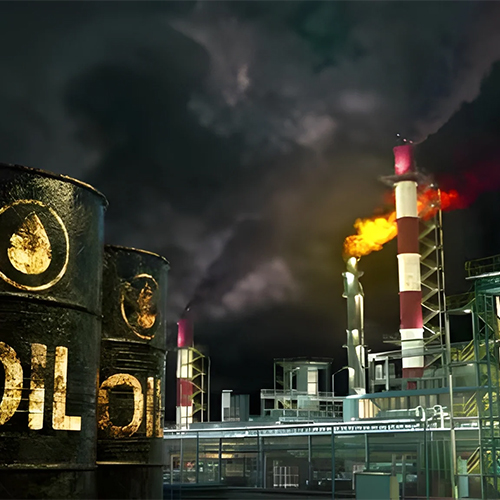
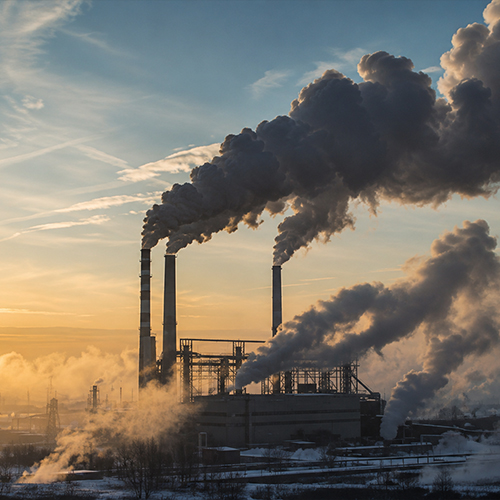
Operating on furnace oil presented several operational and environmental challenges:
The existing fuel system limited operational efficiency while increasing long-term operating costs.
Pune Gas designed and implemented a complete LPG conversion solution for Verka Dairy’s steam generation system.
The solution delivered:
Following a detailed technical assessment, Pune Gas designed, supplied, and commissioned a complete LPG infrastructure for Verka Dairy, including the LPG bank, pipeline network, and gas burner system. The project enabled a seamless transition from furnace oil to LPG while ensuring safe, reliable, and uninterrupted boiler operations.
By converting its steam generation system from furnace oil to LPG, Verka Dairy significantly reduced operating costs while improving boiler efficiency, workplace safety, and environmental performance. The project demonstrates how a well-engineered LPG infrastructure can deliver measurable financial returns, cleaner operations, and long-term sustainability for large-scale dairy processing facilities.
Plot 98/A/30 Hadapsar Industrial Estate, Behind Kirloskar Pneumatic Company, Hadapsar, Pune 411 013
+91-8087211172
info@punegas.com
Copyright © 2026 Pune Gas Systems Private Limited. All Rights Reserved.