High-Temperature Gas Infrastructure for Strength, Precision & Output
Industry Overview
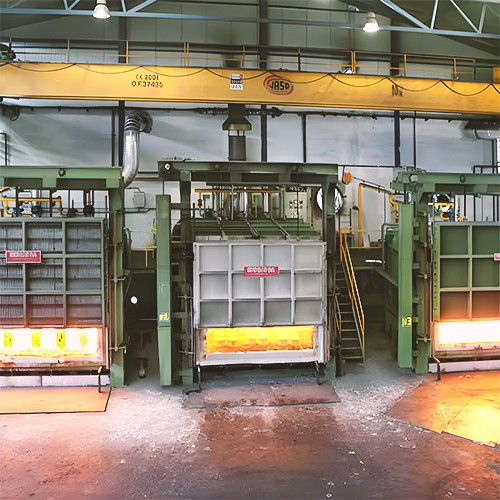
Hot forging is a critical manufacturing process used across automotive, engineering, defence, railways, heavy equipment, and industrial components. The process involves heating metal billets to extremely high temperatures before shaping them under pressure to achieve superior strength and structural integrity.
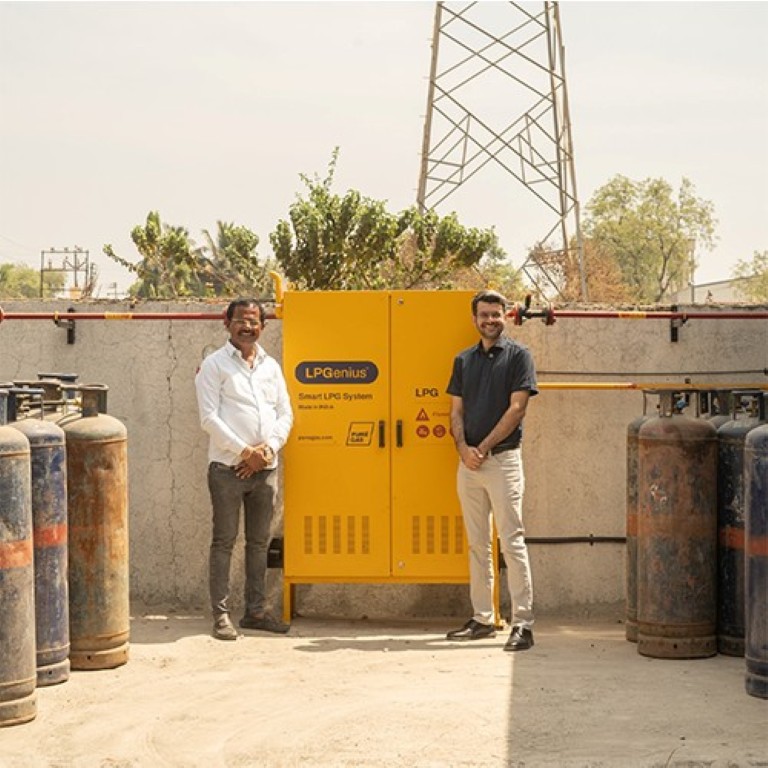
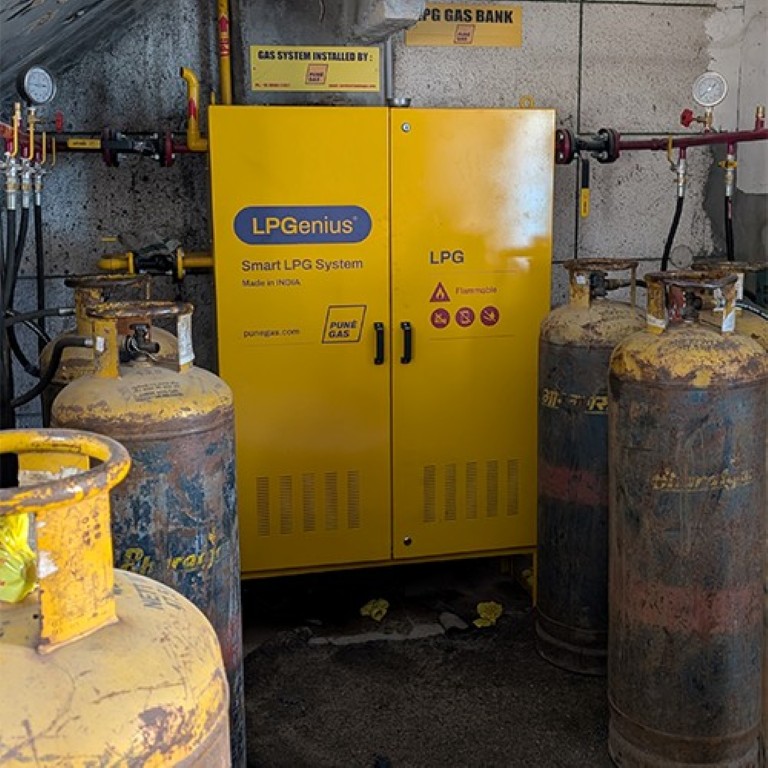
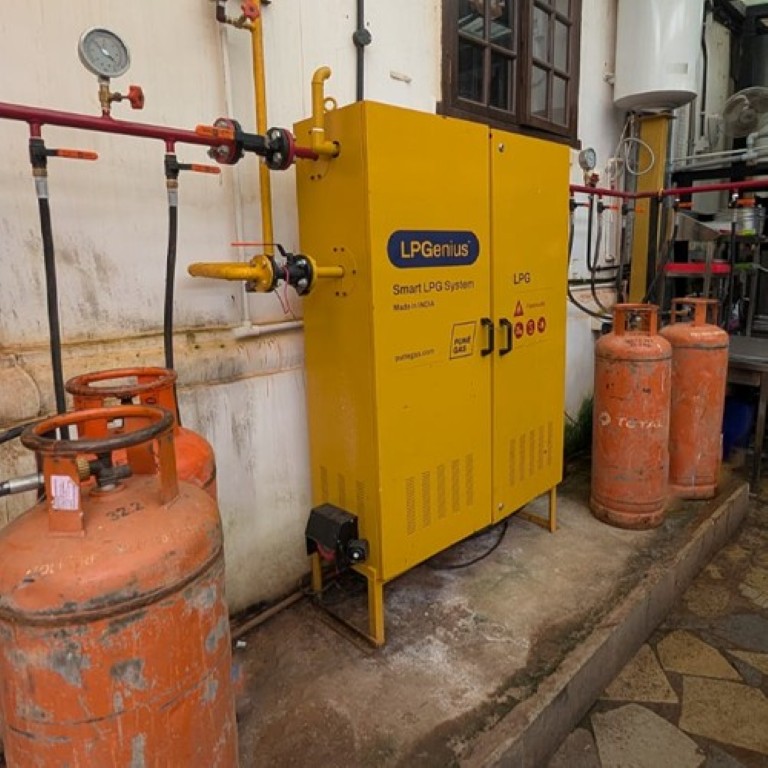
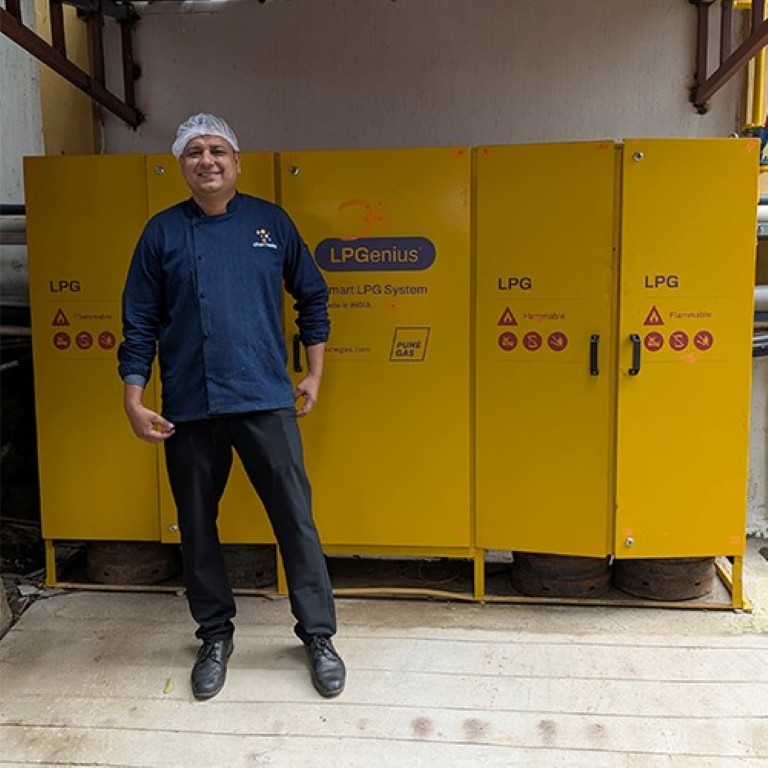
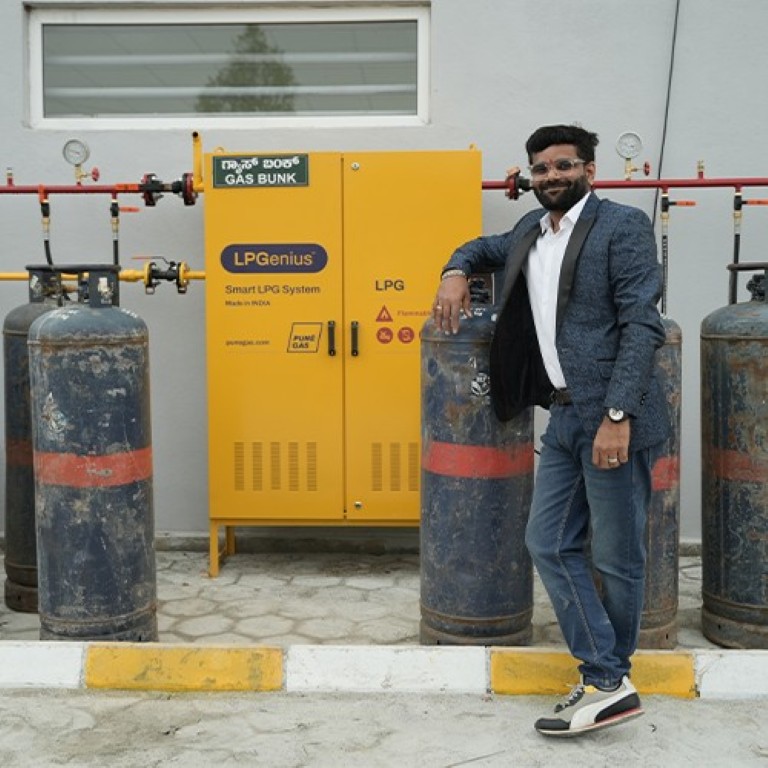
Gas, whether LPG or Piped Natural Gas (PNG), is the preferred fuel for forging furnaces due to its ability to deliver intense, controllable heat. Pune Gas partners with forging units to engineer gas infrastructure that supports continuous operations, process consistency, and scalable production.
Why Gas Infrastructure Matters in Hot Forging
?
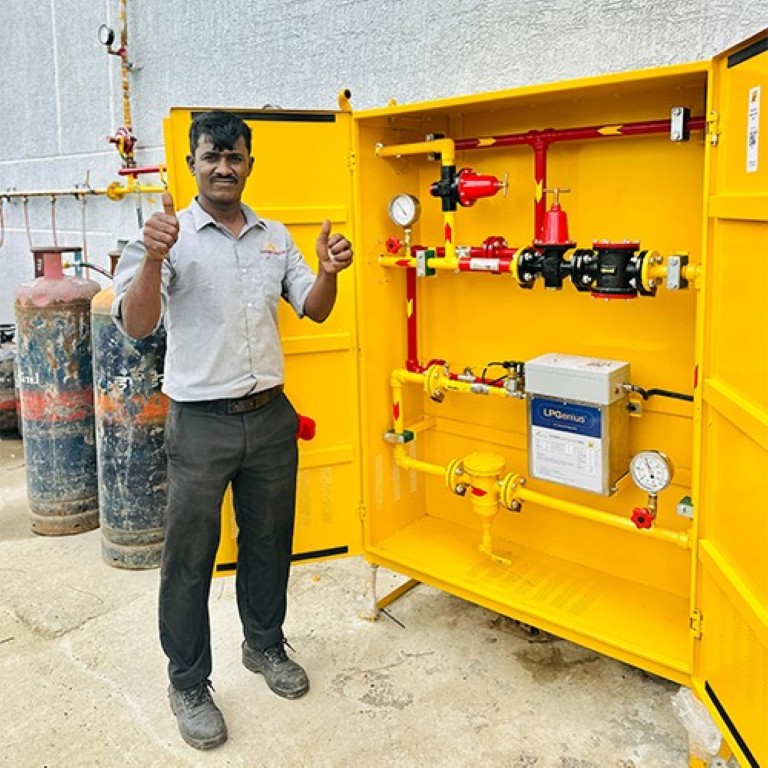
In hot forging, even small fluctuations in gas pressure or flame stability can impact billet temperature, forging quality, tool life, and production rates. A professionally engineered gas system ensures stable heat delivery, repeatable forging conditions, reduced rejections, and compliance with safety and environmental norms.
Key Industry
Challenges
1
Inconsistent billet heating due to LPG freezing or PNG pressure fluctuations
2
Production downtime during peak forging cycles
3
High fuel consumption caused by inefficient combustion
4
Safety and compliance risks in high-temperature furnace environments
How Pune Gas Solves These Challenges
With over 40 years of gas engineering expertise, Pune Gas designs and delivers gas infrastructure for continuous-duty, high-temperature forging applications—ensuring efficiency, safety, and reliability at scale.